
News
Air Jordan 3 vs Air Jordan 4: What’s the Difference?
Sep
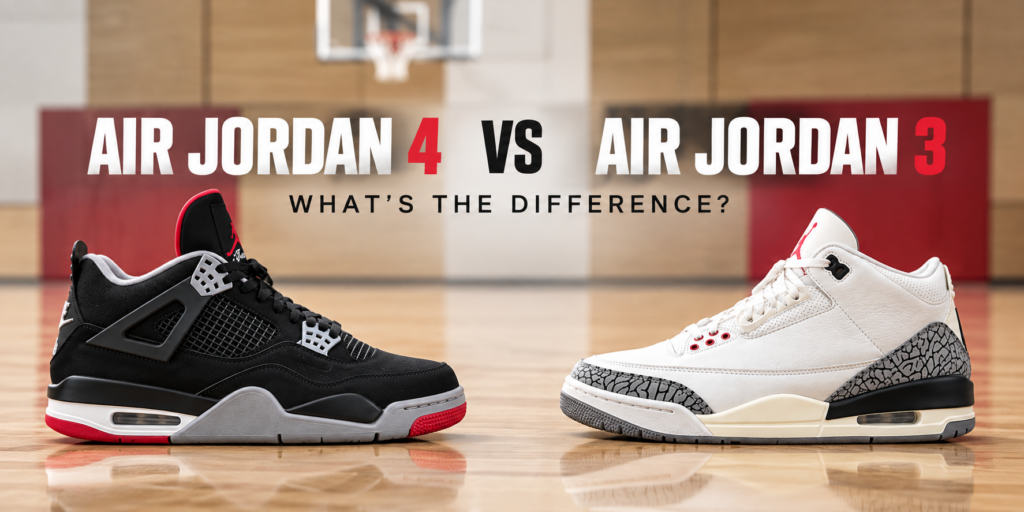
Few Jordan matchups are as iconic as Air Jordan 3 vs Air Jordan 4. Both sneakers come from the same legendary era of Jordan Brand, both were designed by Tinker Hatfield, and both remain essential silhouettes in sneaker culture. But they have very different personalities.
So, what really separates them? This guide breaks down Air Jordan 3 vs Air Jordan 4 through their history, design, materials, comfort, fit, and styling to help you understand which silhouette works better for your rotation.
Air Jordan 3 vs Air Jordan 4: The History
The Air Jordan 3 arrived in 1988 and marked a major turning point for the Jordan line. Designed by Tinker Hatfield, it introduced visible Air cushioning, the iconic elephant print, and the Jumpman logo that would become one of the most recognizable symbols in sneaker culture.
Just one year later, the Air Jordan 4 continued the evolution. The 1989 silhouette introduced a more technical construction, with mesh panels, distinctive lace-support wings, and a layered upper that gave the sneaker a sharper visual identity.
Looking at Air Jordan 3 vs Air Jordan 4 historically, the AJ4 feels like a natural progression from the AJ3: familiar Jordan DNA, but with a more structured and performance-inspired design.
Air Jordan 3 vs Air Jordan 4: Design & Shape
| Feature | Air Jordan 3 | Air Jordan 4 |
|---|---|---|
| Silhouette | Rounded and substantial | Angular and structured |
| Signature detail | Elephant print | Mesh panels and lace wings |
| Overall look | Classic and refined | Technical and expressive |
| Styling feel | Retro and versatile | Modern and streetwear-focused |
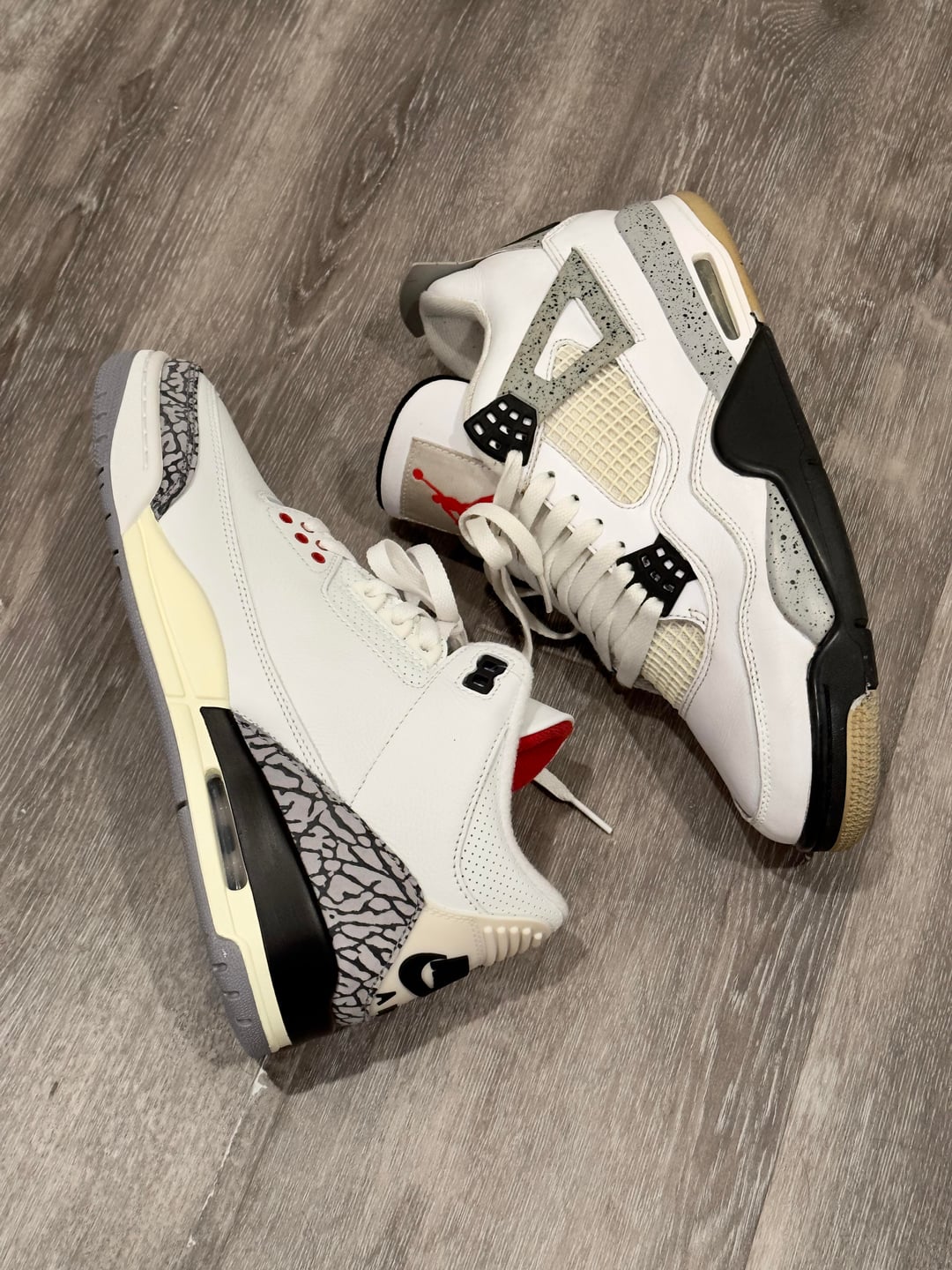
The biggest visual difference in Air Jordan 3 vs Air Jordan 4 is the shape of the upper. The AJ3 has a rounder, more cohesive appearance, while the AJ4 uses multiple layers and geometric details to create a more technical look.
The elephant print around the toe and heel immediately identifies an AJ3. On the AJ4, the mesh side panels and plastic lace wings create its signature profile.
Air Jordan 3 vs Air Jordan 4: Materials & Construction
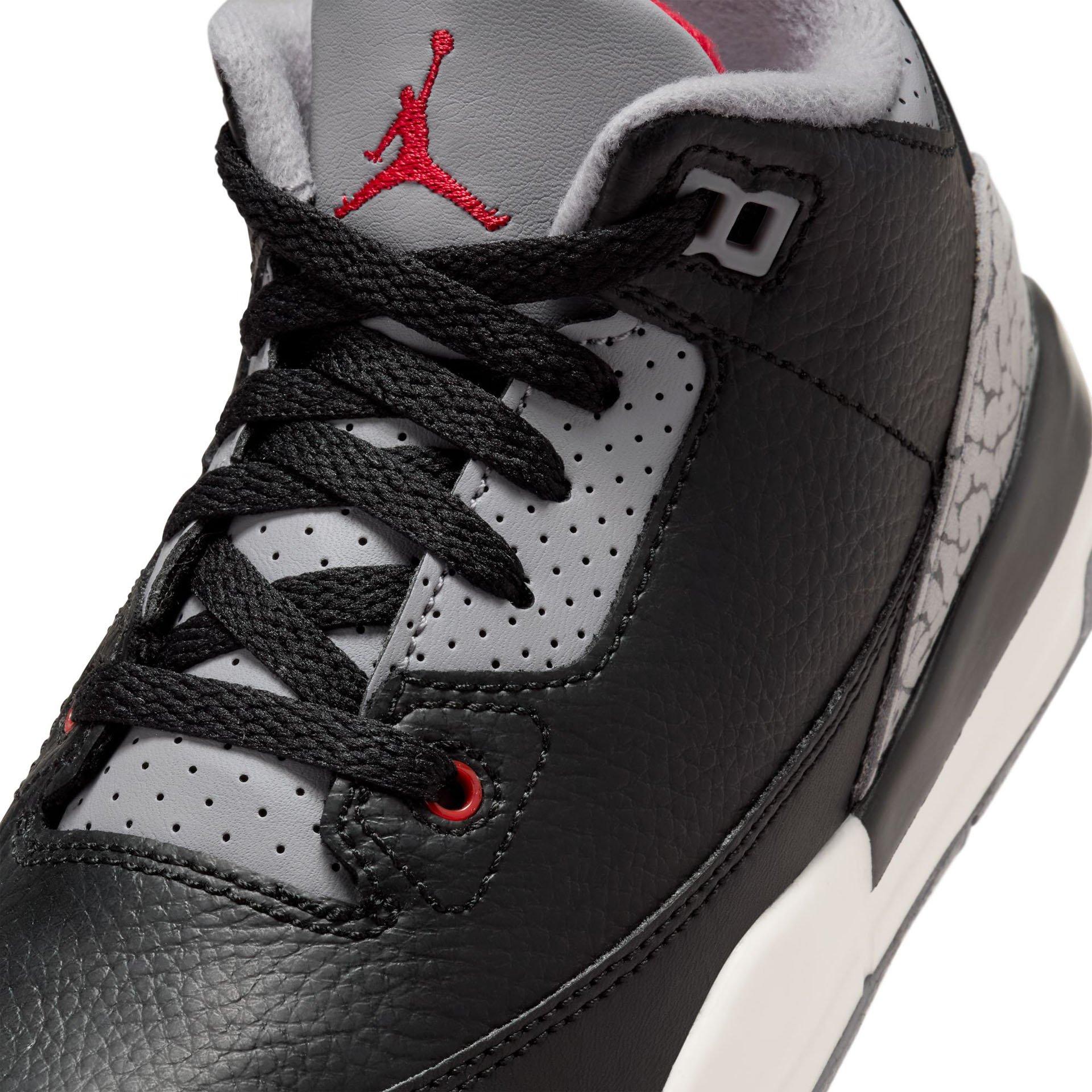
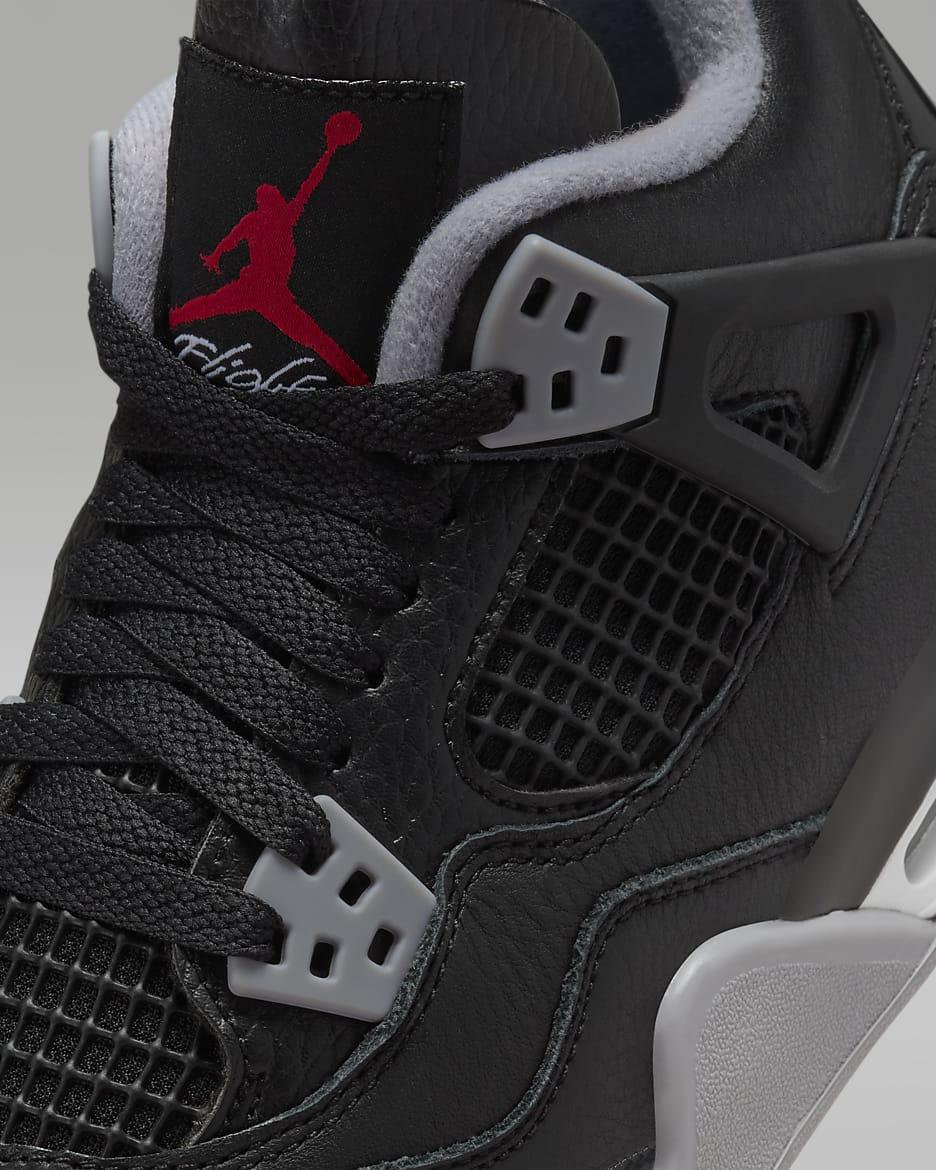
Materials are another major part of the Air Jordan 3 vs Air Jordan 4 comparison. Air Jordan 3 releases commonly combine leather with elephant print overlays and perforated details. Depending on the colorway, different leather finishes and materials can give the shoe a very different character.
Air Jordan 4 construction is more layered. Mesh or netting appears across key sections of the upper, while the signature lace wings add both visual structure and a recognizable Jordan detail. Modern AJ4 releases can also use leather, suede, nubuck, or other materials depending on the edition.
Air Jordan 3 vs Air Jordan 4: Comfort & Fit
Both silhouettes were originally designed as basketball shoes and feature visible Air cushioning at the heel. However, modern retro releases can vary in materials, construction, and overall feel, so comfort should not be judged by the silhouette alone.
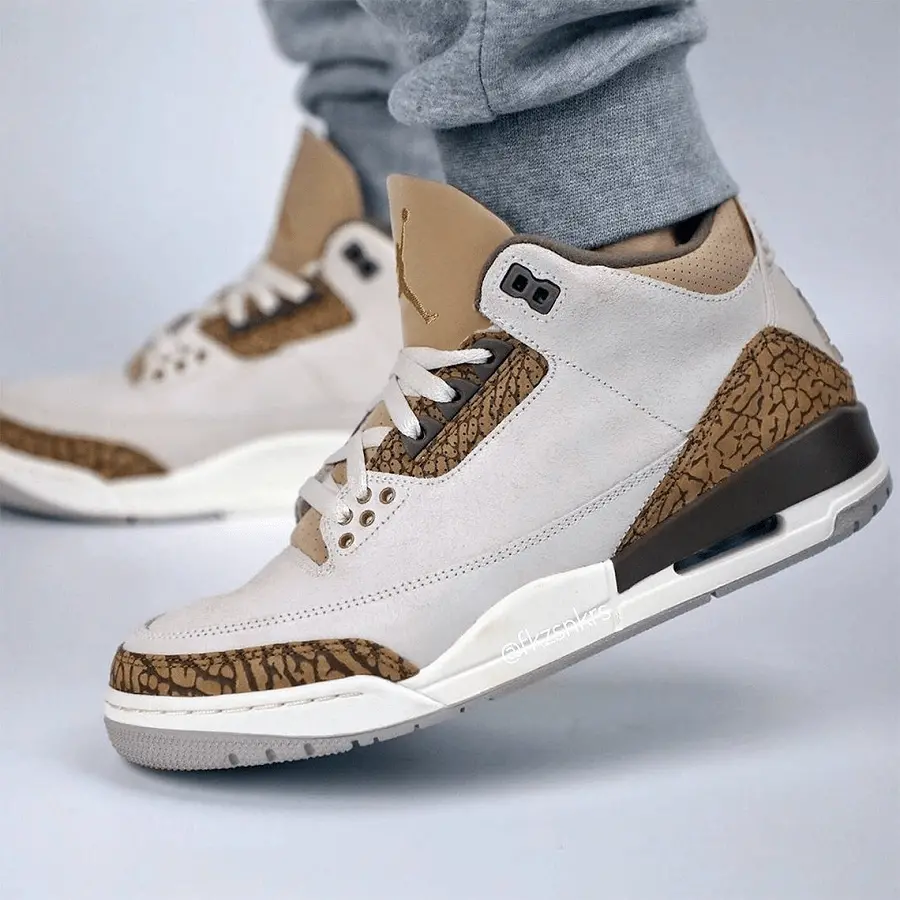
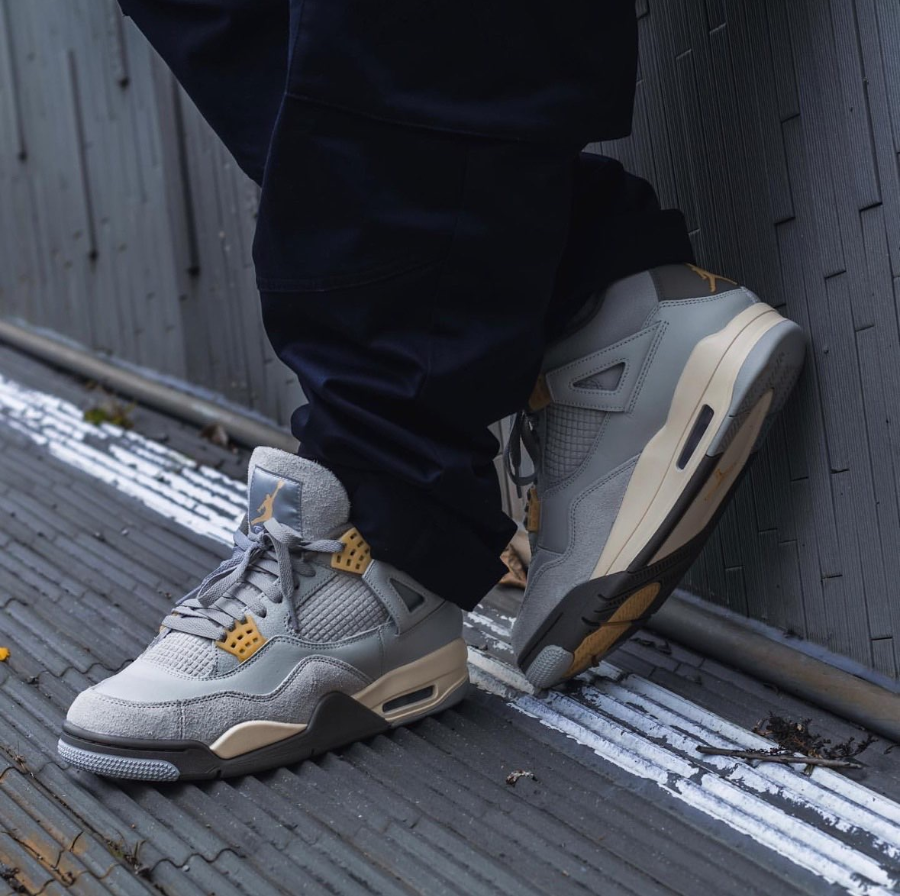
In the Air Jordan 3 vs Air Jordan 4 debate, the AJ3 generally has a more substantial, rounded construction, while the AJ4 has a more structured feel around the upper. The AJ4’s lacing system also lets wearers adjust the lockdown of the shoe.
If you have wider feet or prefer more room, pay close attention to the specific release and its sizing information. If you prefer a more secure, structured feel, the AJ4 may appeal more to your everyday rotation.
Air Jordan 3 vs Air Jordan 4: Which One Is Easier to Style?
How to Style the Air Jordan 3


The Air Jordan 3 has a naturally retro look that works well with relaxed everyday outfits. Try it with straight-leg jeans, loose denim, cargo pants, shorts, or simple neutral basics. Its rounded shape pairs especially well with relaxed silhouettes without making the outfit feel overly technical.
Neutral AJ3 colorways are also easy to build around, while classic combinations can add a stronger vintage basketball feel.
How to Style the Air Jordan 4


The Air Jordan 4 has a stronger streetwear presence. Its angular shape works naturally with cargos, wide-leg pants, oversized tees, hoodies, and layered outfits. Bold AJ4 colorways can also become the main statement piece while the rest of the outfit stays simple.
That’s another key difference when comparing Air Jordan 3 vs Air Jordan 4: the AJ3 can blend into an outfit more easily, while the AJ4 often draws attention through its structured design.
Air Jordan 3 vs Air Jordan 4: Which One Fits Your Style?
| Feature | Air Jordan 3 | Air Jordan 4 |
|---|---|---|
| Style | Classic, retro, and timeless | Technical, bold, and streetwear-focused |
| Best For | Everyday casual outfits | Modern streetwear looks |
| Signature Detail | Iconic elephant print | Mesh panels and lace-support wings |
| Silhouette | Rounded and substantial | Angular and structured |
| Works Well With | Jeans, shorts, cargos, and relaxed basics | Cargos, wide-leg pants, hoodies, and oversized fits |
| Choose It If… | You prefer a classic basketball-inspired look | You want a more statement-making sneaker |
Air Jordan 3 vs Air Jordan 4: The Bottom Line
Ultimately, Air Jordan 3 vs Air Jordan 4 comes down to the design language you want from your sneakers. The AJ3 delivers a classic, rounded profile with its unmistakable elephant print, while the AJ4 brings a more layered and technical aesthetic through its mesh panels and signature lace wings.
Neither silhouette needs to replace the other. They serve different roles in a sneaker rotation, and your choice can come down to your wardrobe, preferred fit, and the type of colorways you enjoy wearing.
Whether you’re looking for the timeless character of the AJ3 or the bold structure of the AJ4, explore the latest Air Jordan sneakers at Heaton Feet and find your next pair.
